.svg)


Saudi Arabia has launched an investigation into how missiles and drones struck Riyadh’s main airport, killing at least 13 people and injuring more than 300, raising concerns over the kingdom’s air defences.
 Mariyam Adheela
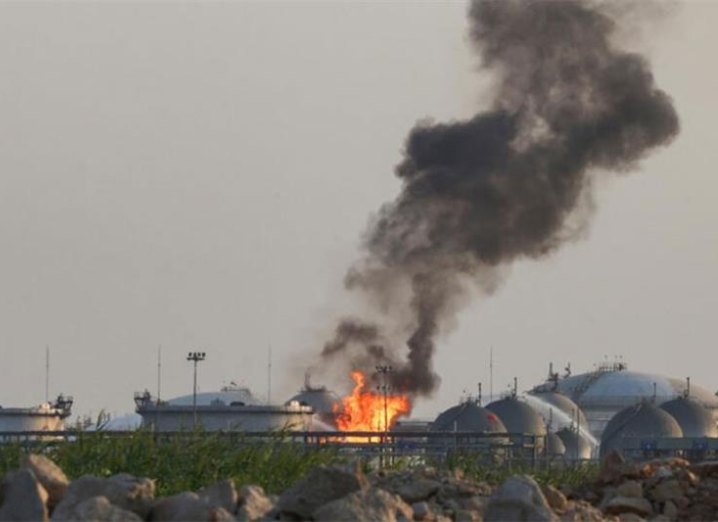
Riyadh: Saudi Arabia is investigating how its air defence systems failed to intercept missiles and drones that struck King Khalid International Airport in Riyadh, killing at least 13 people and injuring more than 300, according to regional officials.
The attack took place on October 10 amid escalating conflict involving Yemen’s Houthi rebels, who are backed by Iran. The strike caused significant damage and forced authorities to suspend airport operations, disrupting flights and leaving passengers stranded.
The initial findings suggest the Houthis launched several drones before firing cruise and ballistic missiles towards the airport, two regional officials told The Associated Press. Investigators are examining how the weapons travelled more than 1,000 kilometres without being intercepted and why an earlier warning was not issued.
The attack has raised questions about Saudi Arabia’s ability to protect major infrastructure from increasingly complex aerial threats. The kingdom relies on Patriot missile defence systems and other equipment to intercept incoming weapons.
The October 10 strike was part of a series of attacks targeting Saudi airports in recent days. Earlier incidents at Riyadh and other airports had already caused casualties and damage, increasing concerns about aviation safety and regional security.
Authorities suspended operations at King Khalid International Airport while assessing the damage. The attacks also prompted airlines to cancel or divert flights as security concerns grew.
The attacks come as fighting intensifies in Yemen between the internationally recognised government and the Houthi movement. Saudi Arabia has supported the Yemeni government, while the Houthis have expanded their attacks on Saudi targets.
The strikes have increased fears that the conflict could spread further across the region, threatening civilian lives, air travel and critical infrastructure. International officials have condemned attacks on civilians and civilian facilities and called for them to stop.