.svg)


Pakistan has suspended commercial trade at two border crossings with Iran, leaving around 2,000 trucks stranded as security concerns and regional tensions complicate relations between the neighbouring countries.
 Mariyam Adheela
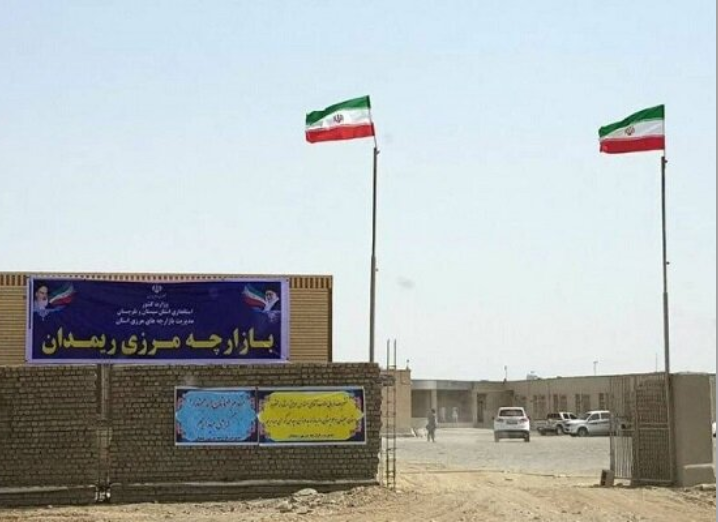
Gabd-Rimdan border crossings -- Photo: mehrnews
QUETTA, Pakistan — Pakistan has suspended commercial trade at the Taftan and Gabd-Rimdan border crossings in Balochistan, leaving around 2,000 trucks stranded on both sides of the border, according to the Quetta Chamber of Commerce and Industry (QCCI).
The suspension, introduced on Saturday, has disrupted freight movement between the two countries. Passenger traffic at Gabd-Rimdan has continued, according to Iranian news agency WANA.
Pakistani officials have described the closure as a temporary security measure aimed at strengthening border management, countering terrorism and preventing smuggling.
Bakhtiar Ismail, deputy commissioner of Chagai district, said the crossings would reopen once effective security measures were in place. Shahid Rind, an aide to Balochistan’s chief minister, also said the decision was intended to address security concerns and improve border controls.
Iran, however, has offered a different explanation. Foreign Ministry spokesperson Esmaeil Baghaei said cross-border movement and exchanges had been temporarily halted because of technical issues and the need for precautionary measures.
Neither country has publicly provided a definitive timeline for the resumption of commercial trade.
The suspension comes as Pakistan faces growing security challenges in Balochistan, a resource-rich province bordering Iran that has experienced a long-running insurgency. Armed groups have intensified attacks in recent months, targeting security personnel and other locations.
Iran’s neighbouring Sistan-Baluchestan province has also experienced repeated attacks on security forces. The two countries have previously accused one another of failing to prevent armed groups from operating across their shared border, although analysts caution that the presence of such groups does not by itself establish responsibility for individual attacks.
The border closure has therefore raised questions about whether security concerns alone account for the decision, with analysts also pointing to wider political and strategic considerations.
Pakistan has been involved in diplomatic efforts between the United States and Iran amid the wider conflict and disputes over sanctions. The two neighbours also maintain trade ties, although commerce has been affected by longstanding restrictions on Iran and difficulties with cross-border financial transactions.
According to figures cited by the Federation of Pakistan Chambers of Commerce and Industry, bilateral trade between Pakistan and Iran amounted to approximately US$2.8 billion in 2023–24, including US$684 million in Pakistani exports.
A prolonged suspension could put additional pressure on traders and transport operators while complicating Pakistan’s efforts to maintain relations with both Tehran and Washington.
Pakistan and Iran have faced repeated tensions over cross-border militancy. In January 2024, Iran launched strikes in Pakistan’s Balochistan province, prompting Pakistan to carry out retaliatory strikes in Iran. Subsequent diplomatic engagement helped ease tensions, and both countries agreed to strengthen security cooperation.
Analysts say the latest closure could test that cooperation, particularly if the disruption continues or the two governments fail to agree on its causes and the conditions required to reopen the crossings.
For now, thousands of tonnes of goods and freight remain affected by the suspension, while traders await further clarification from authorities on both sides of the border.