.svg)


The 60-day US-Iran ceasefire framework expires Monday with key disputes unresolved, while diplomatic efforts continue over sanctions, nuclear issues and the Strait of Hormuz.
 Mariyam Adheela
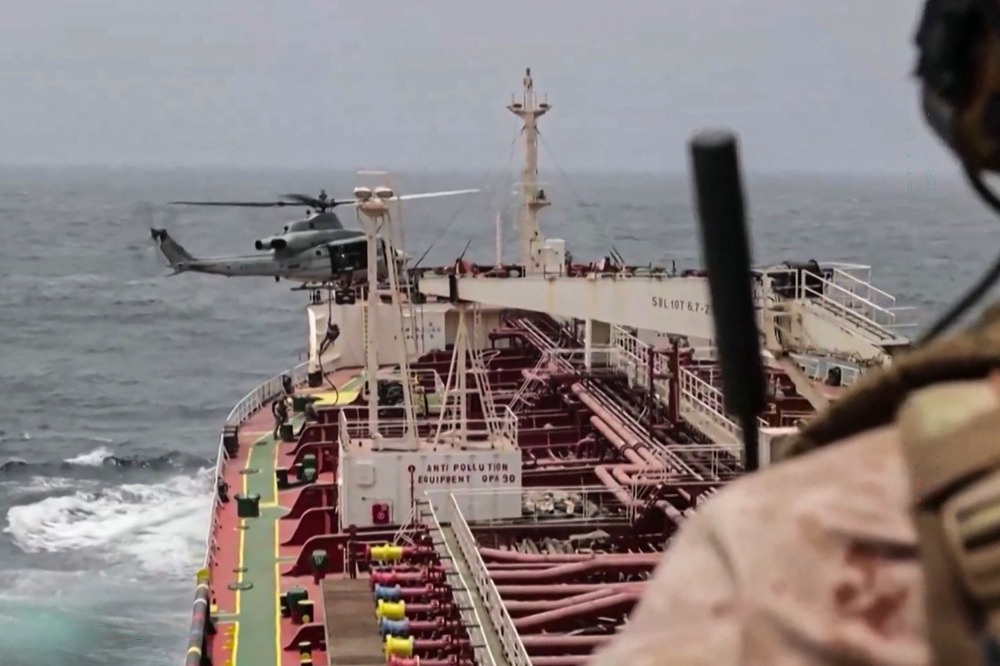
The US-Iran ceasefire framework has reached its 60-day deadline with no comprehensive agreement in place, raising fresh concerns over the future of the conflict and the security of the Strait of Hormuz.
The memorandum of understanding was reached in June following months of fighting and negotiations, with the aim of halting hostilities and creating a path towards a broader settlement between Washington and Tehran. The agreement also addressed the reopening of the Strait of Hormuz and negotiations over Iran’s nuclear programme and sanctions.
However, the agreement has since come under severe strain, with the US and Iran accusing each other of failing to meet their commitments. Tehran has demanded that Washington fulfil its obligations, including measures relating to sanctions and Iranian assets, while the US has pressed Iran over the status of the Strait of Hormuz.
Iranian officials have said there has been no agreement to extend the ceasefire, despite earlier reports from Pakistani officials that Washington and Tehran had agreed in principle to extend the 60-day arrangement. The two sides have also made little progress through indirect diplomatic channels.
One of the most immediate concerns is the Strait of Hormuz, a crucial route for global energy shipments. Iran has linked the reopening of the waterway to the fulfilment of conditions by the United States.
Iranian Foreign Minister Abbas Araghchi said Tehran is separately working with Oman on a possible temporary shipping route through the strait, which could later become permanent. He said reopening the waterway would depend on the United States meeting other conditions.
The expiry of the MoU does not by itself trigger an automatic return to war. However, without a new agreement, the protections and commitments contained in the 60-day framework become increasingly uncertain.
The immediate focus is expected to remain on indirect diplomacy involving regional mediators, particularly Pakistan, Qatar and Oman, as efforts continue to prevent a wider escalation.
A breakdown in diplomacy could increase the risk of renewed military action, while continued uncertainty around the Strait of Hormuz could also put pressure on international shipping and energy markets.
For now, the key question is whether Washington and Tehran can agree on a new framework before the current arrangements give way to another escalation.