.svg)


India’s monsoon rainfall is 15% below average, raising concerns over crop production and food prices as strengthening El Nino conditions reduce rainfall.
 Mariyam Adheela
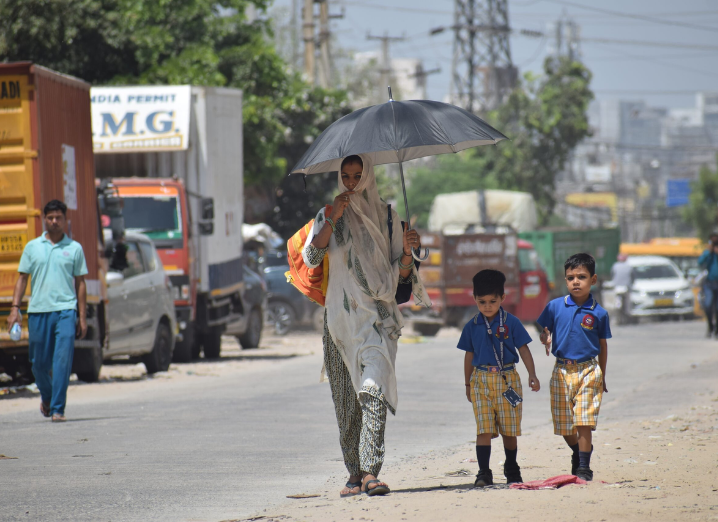
India’s monsoon season is nearing its end with rainfall below normal, raising concerns over the country’s driest monsoon since 2009 -- Photo: Shutterstock / Sudarshan Jha
New Delhi: India is on course for its driest monsoon since 2009, with rainfall running 15% below the long term average as strengthening El Nino conditions contribute to a prolonged deficit.
The June to September monsoon is approaching its end with rainfall significantly below normal, according to India’s Meteorological Department. If the deficit continues, this year’s monsoon would be the weakest since 2009, when rainfall was 18% below average.
The weak monsoon is raising concerns for farmers as several summer sown crops enter important stages of development. Rice, cotton, soybean, corn and pulses have been affected by inadequate rainfall in several regions.
India received 35% less rainfall than normal in June, while August rainfall was about 14% below average. September has also recorded below normal rainfall so far, with the India Meteorological Department expecting the monsoon to begin retreating from northwest India.
The impact is particularly significant for agriculture because the monsoon provides around 70% of India’s annual rainfall and supports farming across large areas that lack irrigation.
The rainfall shortage has already affected expectations for rice production. Reuters reported that India’s rice output could fall by around 10 million tonnes this year, which would represent the largest decline since 2009/10.
Despite the weaker harvest outlook, India has substantial rice reserves that could help maintain domestic supplies and exports. Government held stocks, including unmilled paddy, stood at about 59.6 million tonnes on September 1, well above the official target.
The strengthening El Nino is expected to continue influencing weather patterns, while forecasters say some late-season rainfall could still reduce the deficit in parts of eastern and northeastern India. However, the remaining weeks of the monsoon are unlikely to completely reverse the nationwide shortfall.