.svg)


 News Desk
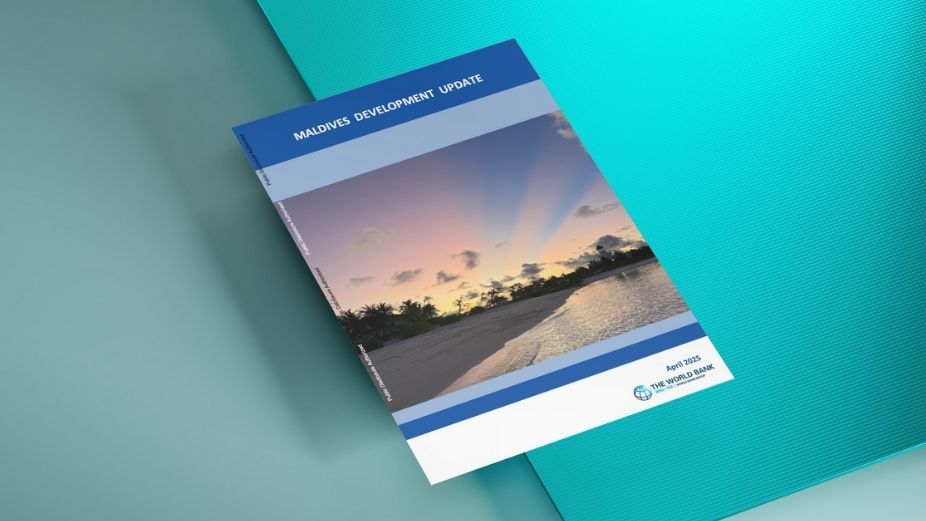
The Maldives’ economy remains resilient on the back of a strong tourism industry, but rising public debt, mounting external financing needs and global uncertainties continue to pose significant risks to the country’s economic outlook, according to the latest assessments by international financial institutions.
In its Maldives Development Update, released on 11 June 2026, the World Bank said the country’s fiscal position improved during 2025 as government revenue increased and the budget deficit narrowed. However, it warned that underlying structural vulnerabilities remain, with public debt and external financing pressures continuing to weigh on the economy.
The World Bank estimated that the overall fiscal deficit narrowed to MVR 5.1 billion, or 4.3 percent of GDP, in 2025, down from MVR 10.8 billion, or 9.9 percent of GDP, in 2024. Revenue rose by 12 percent, supported mainly by tourism-related taxes and higher non-tax income, while expenditure declined due to lower capital spending. The Bank cautioned, however, that part of the reduction in expenditure reflected delayed payments rather than a permanent reduction in government spending.
Despite the improvement in the fiscal balance, public debt remains among the country’s biggest economic concerns.
According to the report, public and publicly guaranteed debt reached an estimated 129.7 percent of GDP in 2025, while debt is expected to remain elevated over the medium term without sustained fiscal reforms. The World Bank warned that the Maldives continues to face a high risk of external and overall debt distress.
The report also highlighted growing external financing pressures.
The Maldives’ external debt service requirements are estimated at US$1.7 billion in 2026, compared with US$630 million in 2025. Although the government successfully repaid its US$500 million sovereign Sukuk and a US$400 million currency swap with India in April, around US$1 billion in external debt service obligations remain for the rest of the year.
The country’s foreign exchange position has improved from the critically low levels seen in 2024 but remains under pressure.
Official reserves increased to US$1.3 billion in March 2026 following external financing support and foreign exchange regulatory measures. However, reserves fell to US$717.9 million in April after the repayment of major external debt obligations, equivalent to approximately 1.4 months of import cover. The World Bank said foreign exchange liquidity constraints remain significant.
Tourism continues to be the primary driver of the Maldivian economy, accounting for the majority of export earnings and government revenue. However, the World Bank expects the external environment to become more challenging this year, citing weaker tourism demand, higher import costs and the economic impact of the conflict in the Middle East. The Bank projects the current account deficit to widen again during 2026 after narrowing significantly in 2025.
The International Monetary Fund (IMF) has projected real GDP growth of around 3 percent in 2026, while also warning that downside risks remain elevated due to global uncertainties and the country’s fiscal and external vulnerabilities.
The World Bank urged the Maldives to accelerate fiscal consolidation by improving public expenditure efficiency, reforming state-owned enterprises, strengthening subsidy targeting and mobilising additional domestic revenue. It said these measures would be essential to restoring macroeconomic stability while safeguarding long-term economic growth.