.svg)


The US State Department ordered non-emergency government employees and their families to leave Saudi Arabia, citing security threats linked to Houthi attacks and the risk of further escalation.
 Mariyam Adheela
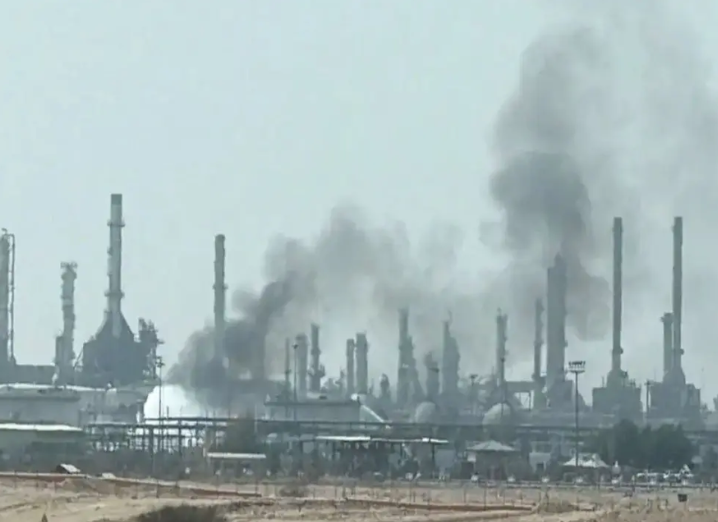
RIYADH, Saudi Arabia: The United States has ordered non-emergency government employees and their family members to leave Saudi Arabia amid growing security concerns following attacks on civilian airports and critical infrastructure.
According to a security notice issued by the US Mission in Saudi Arabia on October 27, the State Department’s departure order took effect on October 23, citing safety risks associated with ongoing hostilities involving Iranian-supported Houthis.
The notice warned that the situation could escalate rapidly beyond the areas directly affected by the attacks. It also highlighted the possibility of further strikes, airspace closures, flight cancellations and significant travel disruptions.
US government employees now require special authorisation from the Chief of Mission to use any airport in Saudi Arabia following recent missile and unmanned aerial vehicle (UAV) attacks.
King Khalid International Airport in Riyadh partially reopened on October 23 for domestic services and some international flights operated by national carriers. Some flights normally based at the airport have been moved to Prince Naif bin Abdulaziz International Airport in Qassim.
King Abdulaziz International Airport in Jeddah and King Fahd International Airport in Dammam remain operational, although passengers may face delays and cancellations. US authorities have urged travellers to confirm flight schedules directly with airlines and airports.
The notice said land border crossings, including the King Fahd Causeway connecting Saudi Arabia and Bahrain, remain open. Highways and roads around Riyadh, Jeddah and Dhahran were also reported to be operating normally.
US citizens were advised to consider road, rail and bus transport as alternatives to air travel where available. Airports in neighbouring Bahrain, Jordan, Oman, Qatar and the United Arab Emirates were also reported to be operational, although travellers were advised to verify their status before departure.
The US Mission warned that Saudi authorities may take legal action against people who film or share information about missile and drone interceptions or impact sites. It noted that detentions have occurred over violations of these rules, including photography involving government buildings and airports.
US citizens have been urged to follow Saudi Civil Defense alerts, avoid demonstrations and large gatherings, monitor local media and follow instructions from local authorities. The notice also advised people to stay away from windows and fallen debris during aerial attacks.
The US government has separately restricted employee travel within 20 miles of the Yemen border and requires special authorisation for travel to Jizan, Asir and Najran provinces, as well as Qatif, Yanbu and Taif. Emergency consular services remain available to US citizens.